
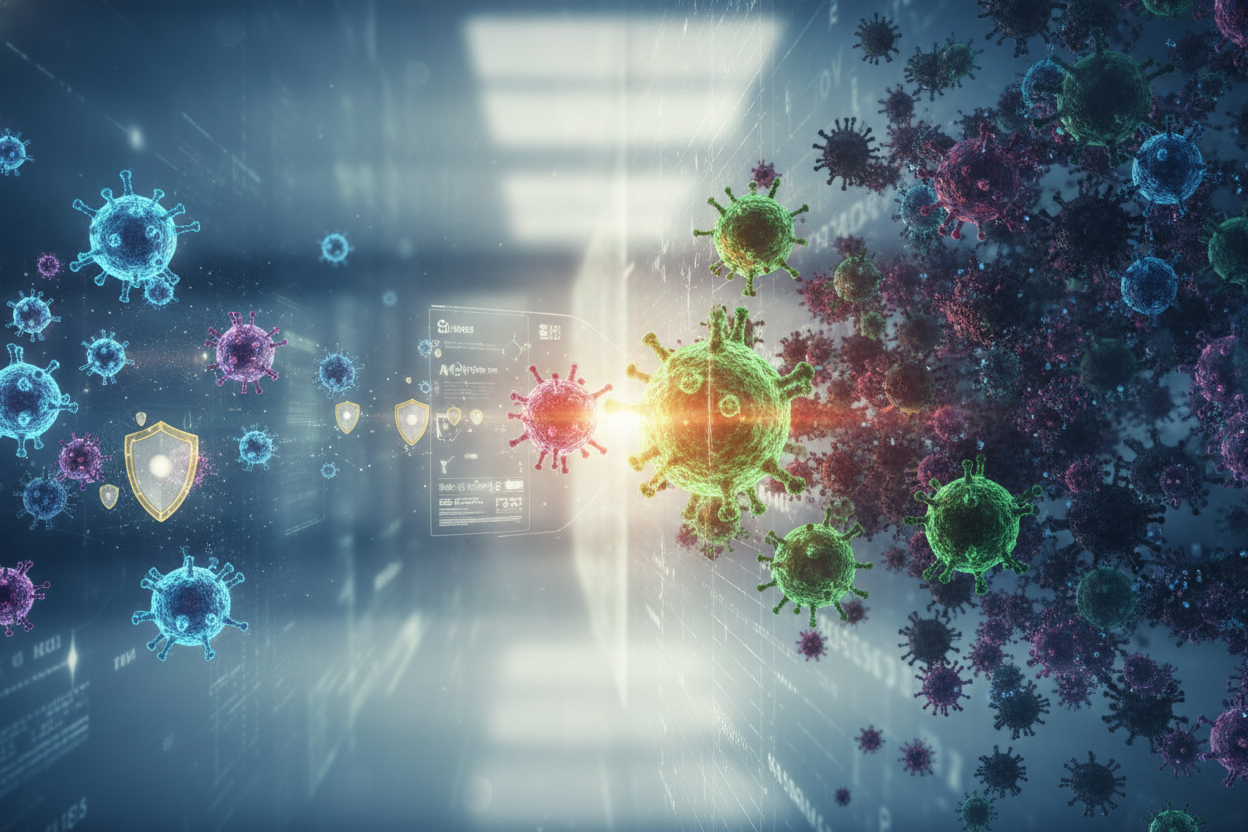
Vaccines work by teaching the immune system to recognize a threat before a real infection happens. They introduce a harmless version or a piece of a germ, allowing the body to practice a response. Later, if the actual pathogen appears, the immune system can react faster and more effectively. That simple idea has saved countless lives and reduced the spread of many dangerous diseases.
The science behind vaccines relies on memory. After exposure, the immune system stores information about the invader so it can respond quickly in the future. This is why vaccines are especially powerful: they prepare the body without causing the full illness. Different vaccines use different methods, but the goal is always the same, which is to build protection safely and efficiently.
Vaccination is also a public health story. When many people are protected, diseases have fewer chances to spread. That helps shield vulnerable individuals who cannot be vaccinated or who do not respond as strongly. As a result, vaccines protect not only individuals but whole communities.
For educational science content, vaccines are an important topic because they combine biology, medicine, and social impact. They show how research can turn a basic understanding of the immune system into a practical tool that improves everyday life around the world.
Leave a Reply