
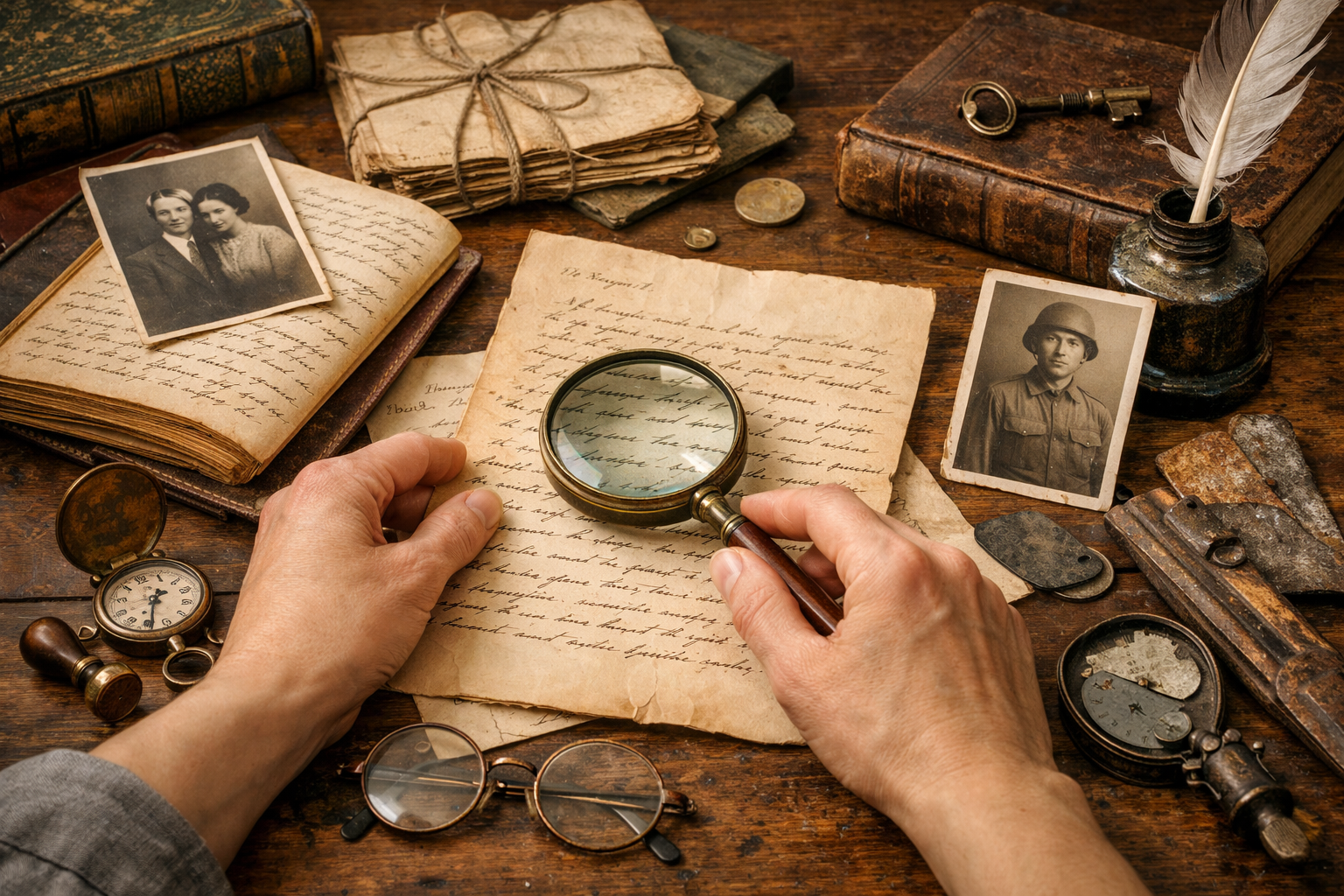
Primary sources are the raw materials of history. They are records created during the time being studied, such as letters, diaries, speeches, newspapers, photographs, and artifacts. Instead of relying only on later summaries, historians use these sources to understand what people saw, said, and experienced in the moment. That makes them essential for anyone who wants a deeper view of the past.
Using primary sources requires careful reading. A document may reveal facts, but it also reflects the bias, goals, and limits of the person who created it. A political speech, for example, can show official priorities, while a diary may reveal private concerns. Comparing different sources helps build a fuller picture and prevents one perspective from dominating the story.
For students, primary sources are especially useful because they turn history into active investigation. Instead of memorizing dates alone, learners can ask who made a source, why it was created, and what it leaves out. Those questions encourage critical thinking and make historical study more engaging.
In educational videos, primary sources can bring the past to life. A handwritten letter or old photograph feels immediate in a way that textbook summaries sometimes do not. By learning to interpret original evidence, viewers gain both historical knowledge and a stronger appreciation for how history is constructed.
Leave a Reply