
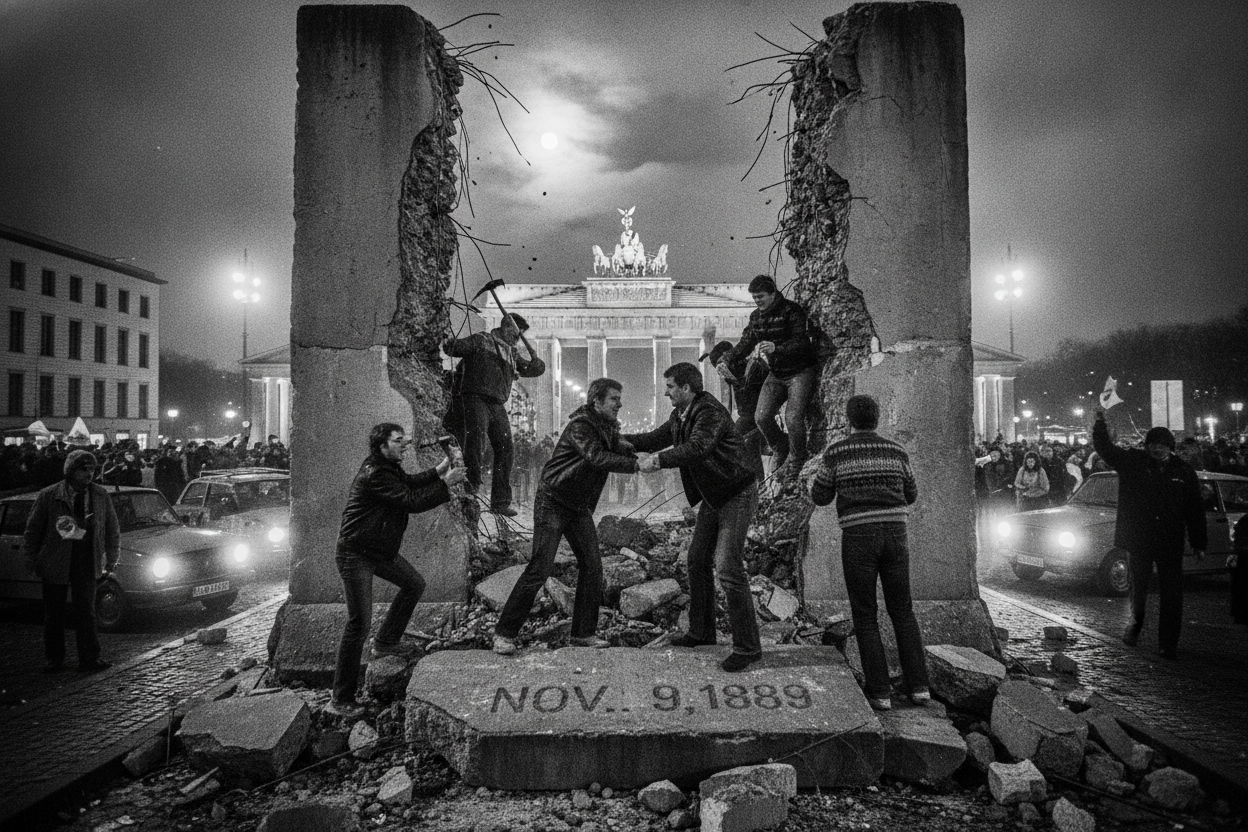
The fall of the Berlin Wall in 1989 became one of the defining moments of the twentieth century. Built in 1961, the wall had divided East and West Berlin for nearly three decades, symbolizing the broader split between communist and capitalist systems during the Cold War. When it came down, people around the world saw more than a physical barrier disappear. They saw political change, public pressure, and the end of an era.
The events that led to the wall’s fall were shaped by protests, reform movements, and weakening control in Eastern Europe. Citizens demanded freedom of movement, speech, and political participation. At the same time, changes in Soviet policy made it harder for old systems to remain locked in place. By the time border guards opened the crossings, the moment had become larger than anyone expected.
History videos about the Berlin Wall work well because they connect individual experience with global change. Families were separated, cities were divided, and everyday life was shaped by a line that cut through neighborhoods. When that line disappeared, reunification became possible, and Europe began a new chapter.
Looking back, the story of the Berlin Wall reminds us that major historical shifts often begin with ordinary people insisting on change. It is a powerful example of how public pressure can alter the course of history and reshape the future in a matter of hours.
Leave a Reply